When shopping for a smart telescope, one specification stands out as the best indicator of image quality: aperture.
Aperture refers to the diameter of the main light-gathering element (the lens or mirror).
Simply put, a larger aperture collects more light, allowing you to capture fainter, more detailed deep-sky objects in a shorter amount of time.
Here is a comparison of the best smart telescopes currently available, ranked by their aperture size.
You can also watch this quick video on this topic:

The Smart Telescope Aperture Rankings
As the data clearly shows, one model stands alone in light-gathering capacity: the Celestron Origin Mark II.
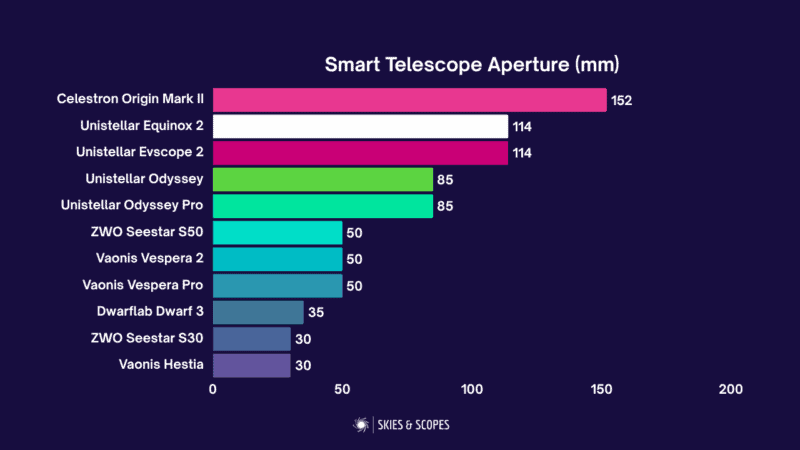
The Celestron Origin MK2 takes the top spot by a long shot with its massive 152mm (6-inch) aperture RASA optical system.
This makes it the clear choice for users prioritizing the best possible astro-image details.
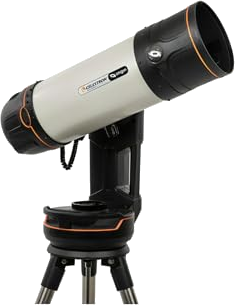
Brand new smart telescope from Celestron in 2025
- Large 6-inch aperture RASA astrophotography telescope
- Fast f/2.2 focal ratio
- 8.3 MP camera
- All-in-one package that takes astrophotography images for you at the press of a button from your smartphone
- The best smart telescope for imaging
- Weighs over 19 kg / 40 lbs
In the middle tier, the Unistellar eVscope 2 and eQuinox 2 offer a strong blend of light collection and user experience at 114mm.
The newer Unistellar Odyssey and Odyssey Pro sit slightly below this at 85mm.
The most compact, “grab-and-go” models—including the Vaonis Vespera 2, ZWO Seestar S50, and Dwarf 3—sit at the lower end of the spectrum (30mm to 50mm).
While they capture beautiful wide-field images, their smaller aperture means they cannot achieve the same resolution or light-gathering power as the larger telescopes.
Aperture vs. Camera Resolution
While aperture is the main determinant of how much light you collect, camera resolution is also a critical factor in the final image quality.
A large aperture ensures brightness and detail, while a high-resolution camera ensures those details are captured with maximum clarity.
For example, the Vaonis Vespera Pro and Dwarf 3 compensate for their smaller aperture with newer, higher-resolution sensors.
However, the sheer light-gathering power of a 6-inch aperture remains unmatched.
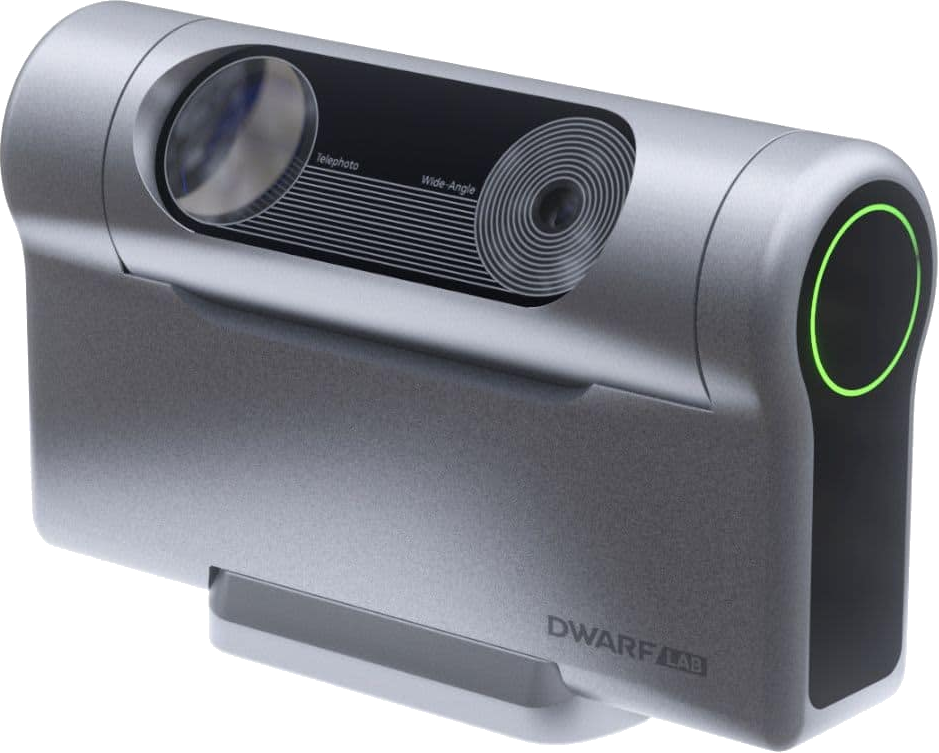
Budget Smart Telescope
- Shoot deep space objects in minutes with no expertise or experience necessary
- Great value at a budget price
- Light and portable - easy to store and travel with
- Limited image quality with relatively low aperture
- Not good for planetary imaging with short focal length
- Slightly fiddly setup and calibration processes
Best Smart Telescopes Overall?
Aperture is just one piece of the puzzle.
To see which model is right for you, check out the full video below where I compare all these models on other vital factors, including camera resolution, weight, ease of use, and overall price:

For more content like this, see our smart telescope hub.