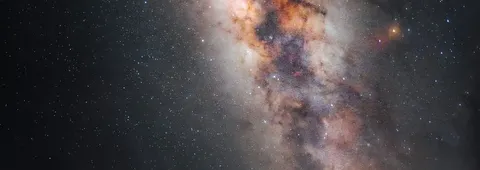
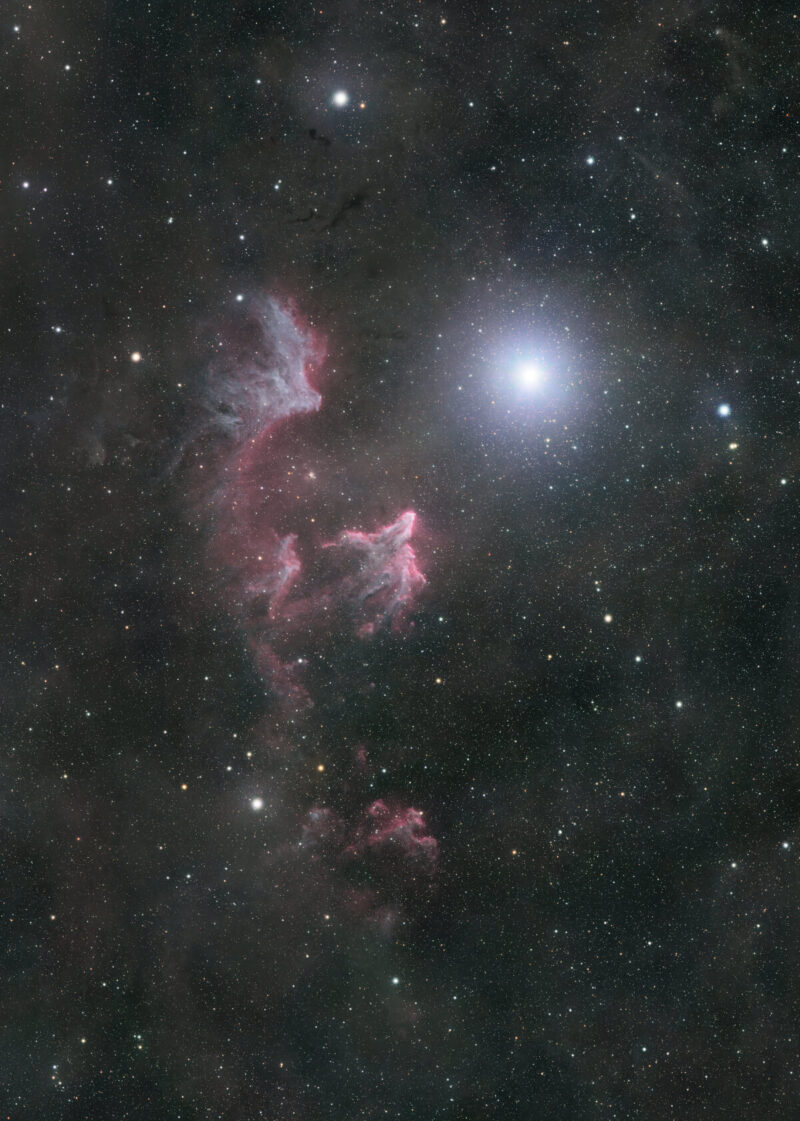
Learn how Simone Curzi excels at deep-sky wide-field astrophotography from a light polluted region of Italy and produces images like this:
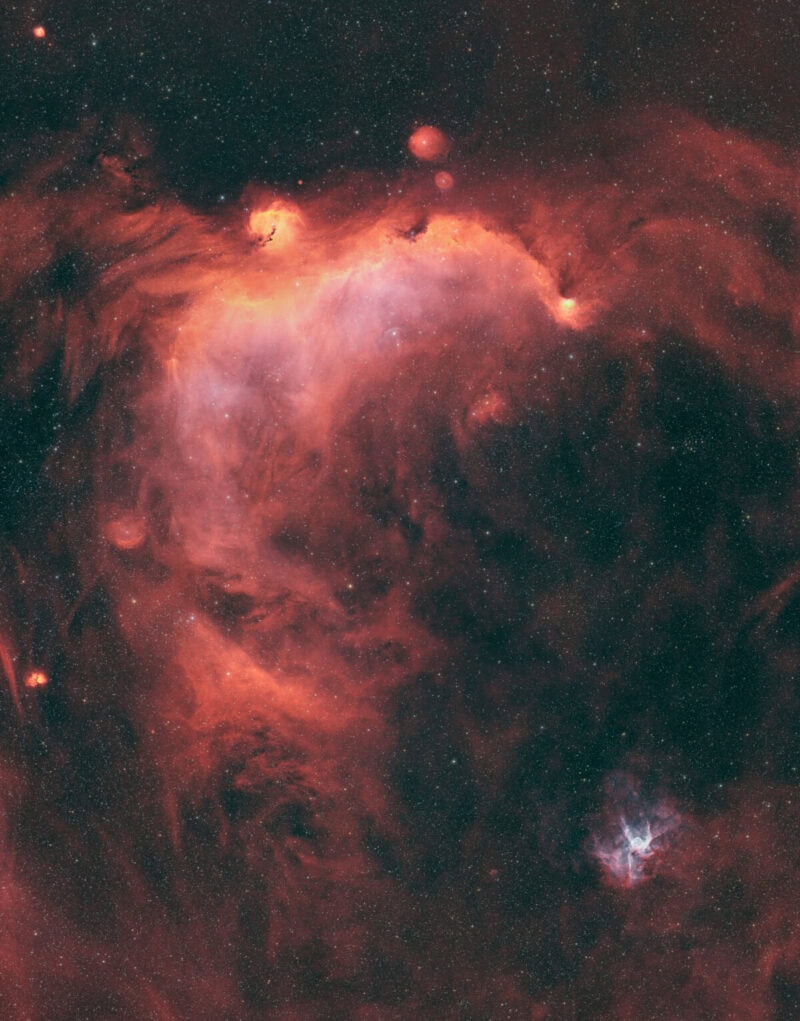
“I only produce a few images per year, but I put great care into each one, planning every detail and optimizing what my time, equipment, and sky can offer.”
Who are you and what’s your focus in astrophotography?
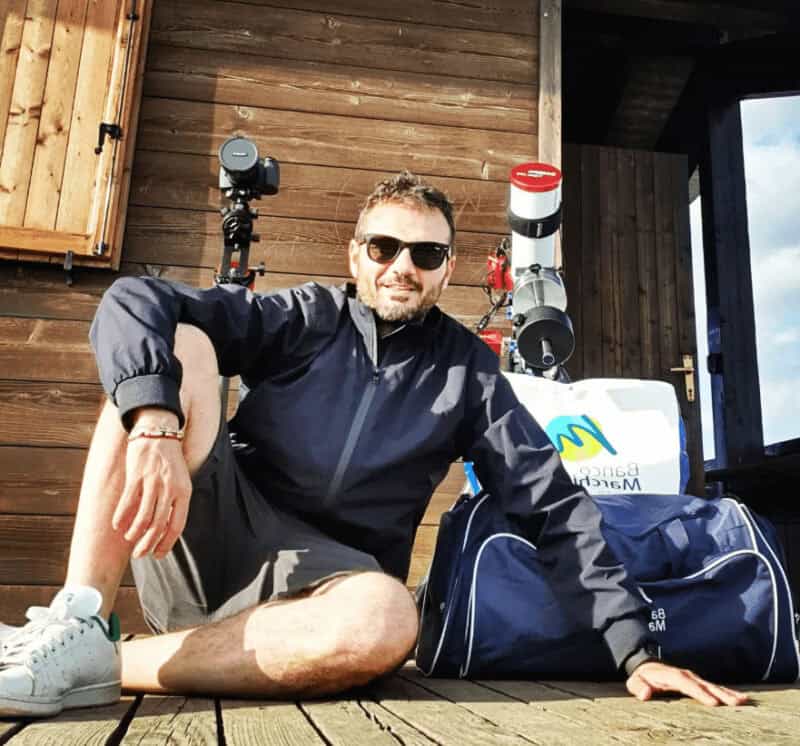
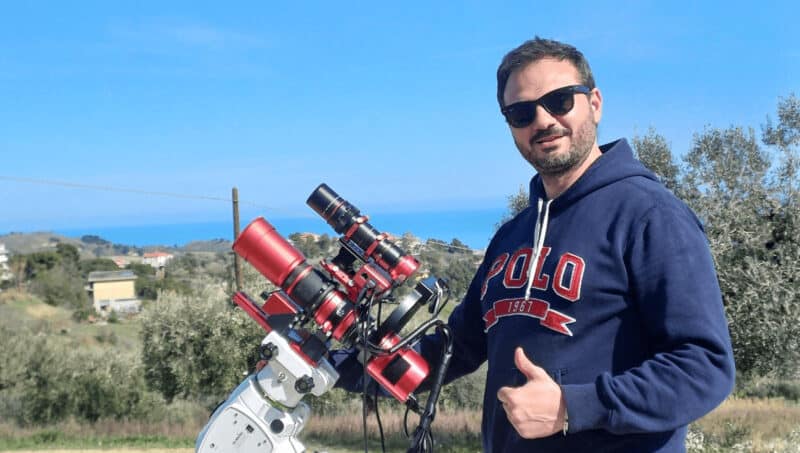
Hi everyone! My name is Simone Curzi, and I live in San Benedetto del Tronto, a small town on the Adriatic coast in central Italy.
The sky from my home is around Bortle 5, which has pushed me to develop imaging techniques to minimize the effects of light pollution.
Whenever possible, I travel with my family to darker sites that we can reach by car, they’re now quite used (or maybe resigned!) to planning our weekends and holidays according to the light pollution map!
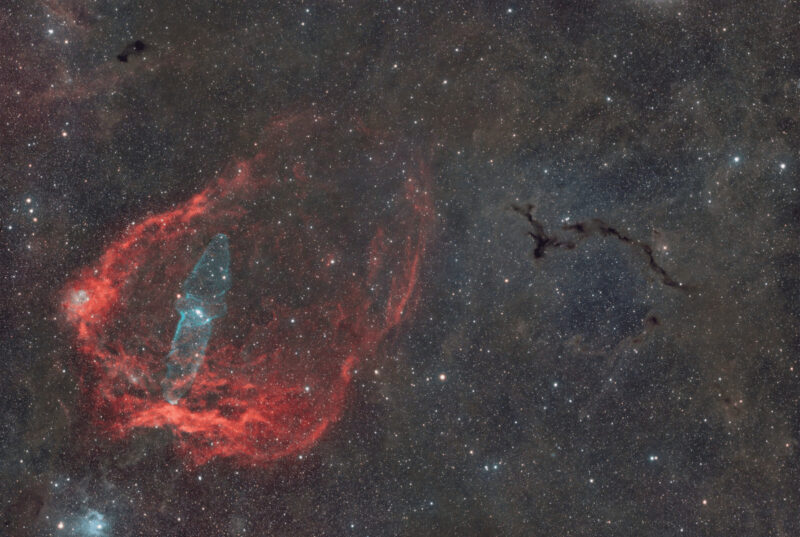
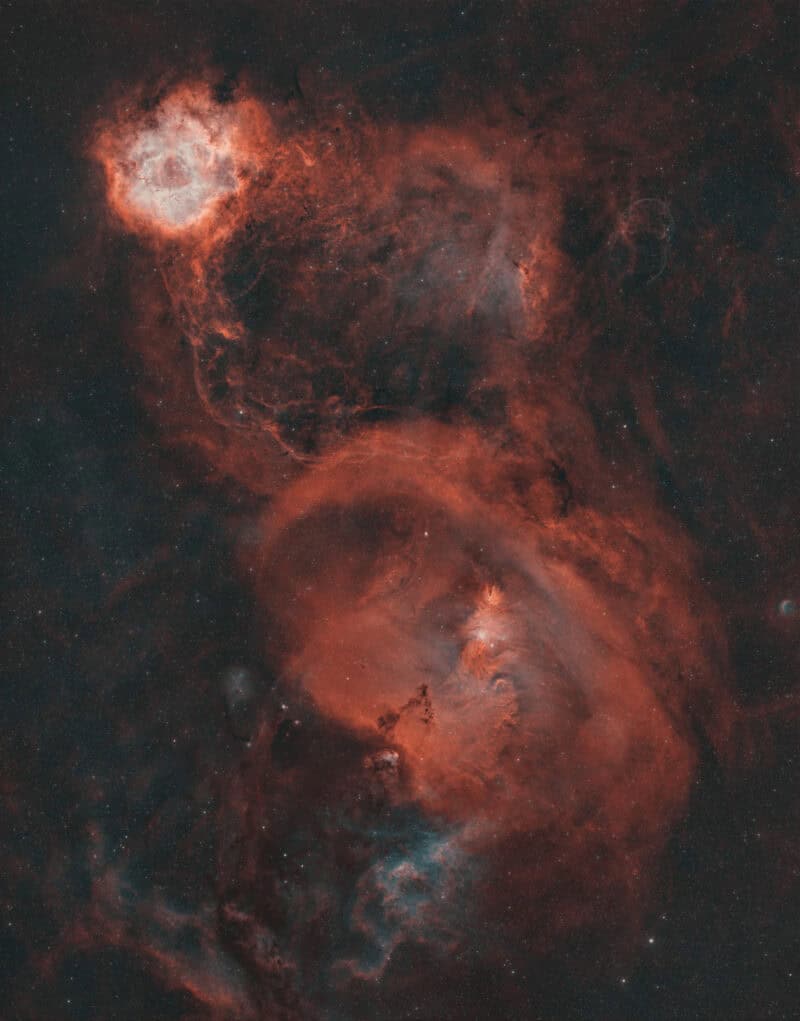
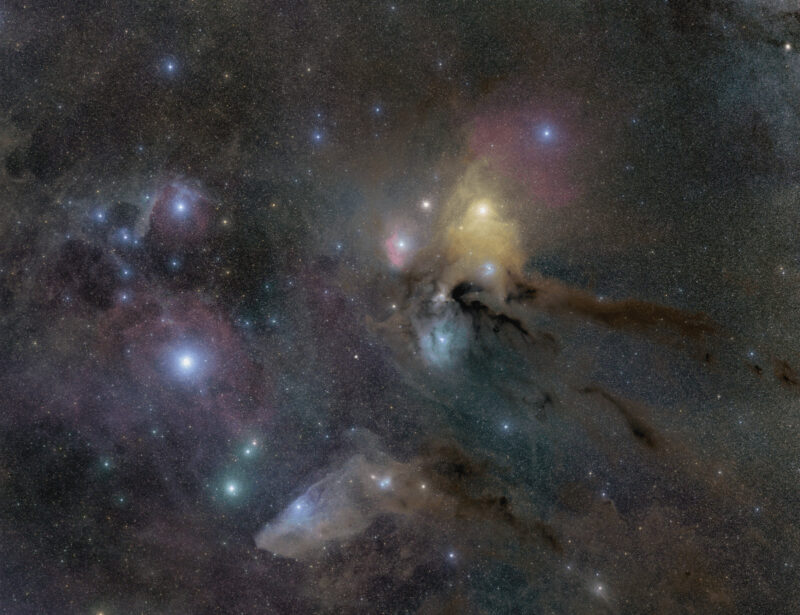
I mainly focus on deep-sky wide-field astrophotography, where I always seek a balance between detail, color, and composition.
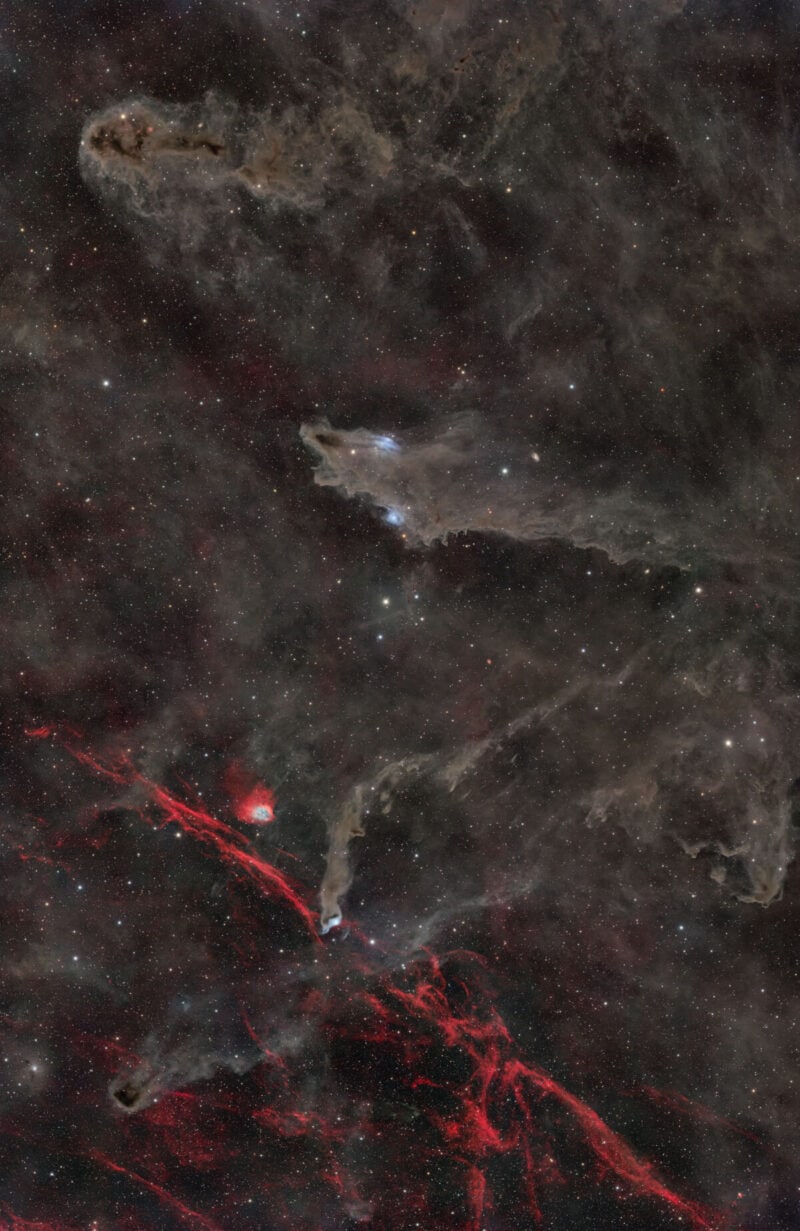
I love including very different types of objects in the same frame, dark and reflection nebulae, interstellar dust, and bright stars, because I enjoy working with high dynamic range images.
The more complex and challenging a target is, the more it pushes me to give my best.
In recent years, in addition to my personal projects, I’ve also started teaching PixInsight lessons both for the members of my Forca Canapine Astronomical Association and for individuals who contact me directly, sharing my processing methods and the same passion and care I put into every image.
With the same association, I’m actively involved in organizing a wide range of educational and outreach activities, such as public observation events, basic astronomy courses, and hands-on astrophotography workshops.
I’m also one of the organizers of Sibillini AstroFest, a festival that combines science communication, astrophotography, and regional promotion.
Its goal is twofold:
- To protect the pristine dark skies of Forca Canapine, and
- To support the social and economic revitalization of the areas affected by the 2016 earthquake
More recently, I began collaborating with ZWO ASI, serving as a judge for the contests within their social app AstroIMG, an experience that allows me to interact with astrophotographers from all over the world and stay up to date on the latest trends in the field.
Being a perfectionist and driven by a strong sense of competition, I also take part in numerous international contests and competitions, which over the years have brought me great satisfaction and important recognition, strengthening my determination to keep improving and growing as an astrophotographer.
What’s your process? How do you plan and execute your images?
I’ve been practicing astrophotography for just over four years, and in the last two my process has evolved dramatically, starting from the planning phase.
I only produce a few images per year, but I put great care into each one, planning every detail and optimizing what my time, equipment, and sky can offer.
At first, I used tools like AstroBin and Telescopius to select targets, both are great catalogs for beginners.
Over time, though, I developed my own taste and drew inspiration from photographers I deeply admire, both past and present:
- Mario Cogo
- Hisayoshi Kato
- Mark Hanson
- Adam Block
- Scott Rosen, among others.
Once I choose a target, I study how it has been approached by others (exposure times, filters, instruments) and then plan my sessions accordingly.
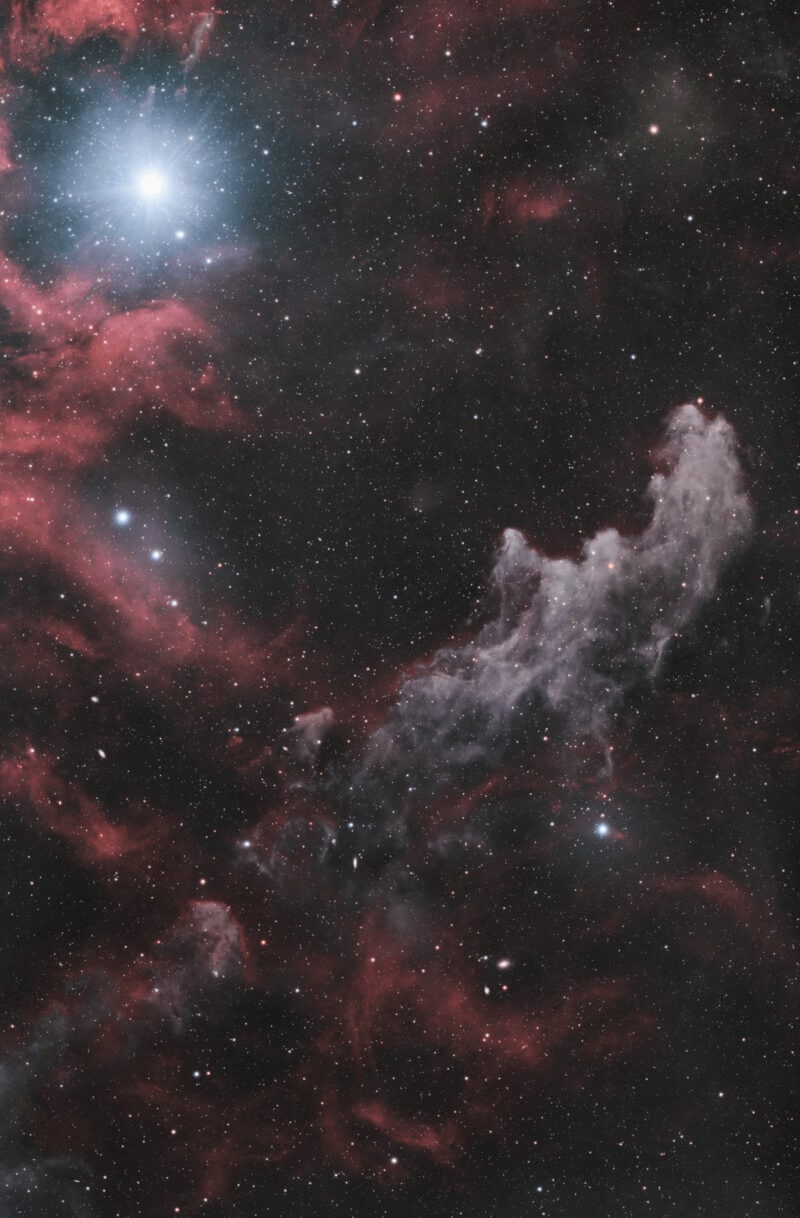
When imaging from my home observatory, I collect data for months, trying to push my local sky to its limits.
When the target requires it, like faint reflection or dark nebulae, I move to dark, pristine sites, maximizing every minute of integration, often using dual setups to gather as much signal as possible.
“The beauty of this hobby is that you never stop learning, what feels like a milestone today will be surpassed tomorrow.”
Do you mostly use remote telescopes or your own setup (or both)?
I started with a Celestron C9.25, a great telescope but not the most suitable for the kind of astrophotography I do now, it was actually an impulse purchase after a heartbreak, as a way to cheer myself up!
At the time, I had no experience or contacts in astronomy, so I simply bought the biggest telescope I could afford.
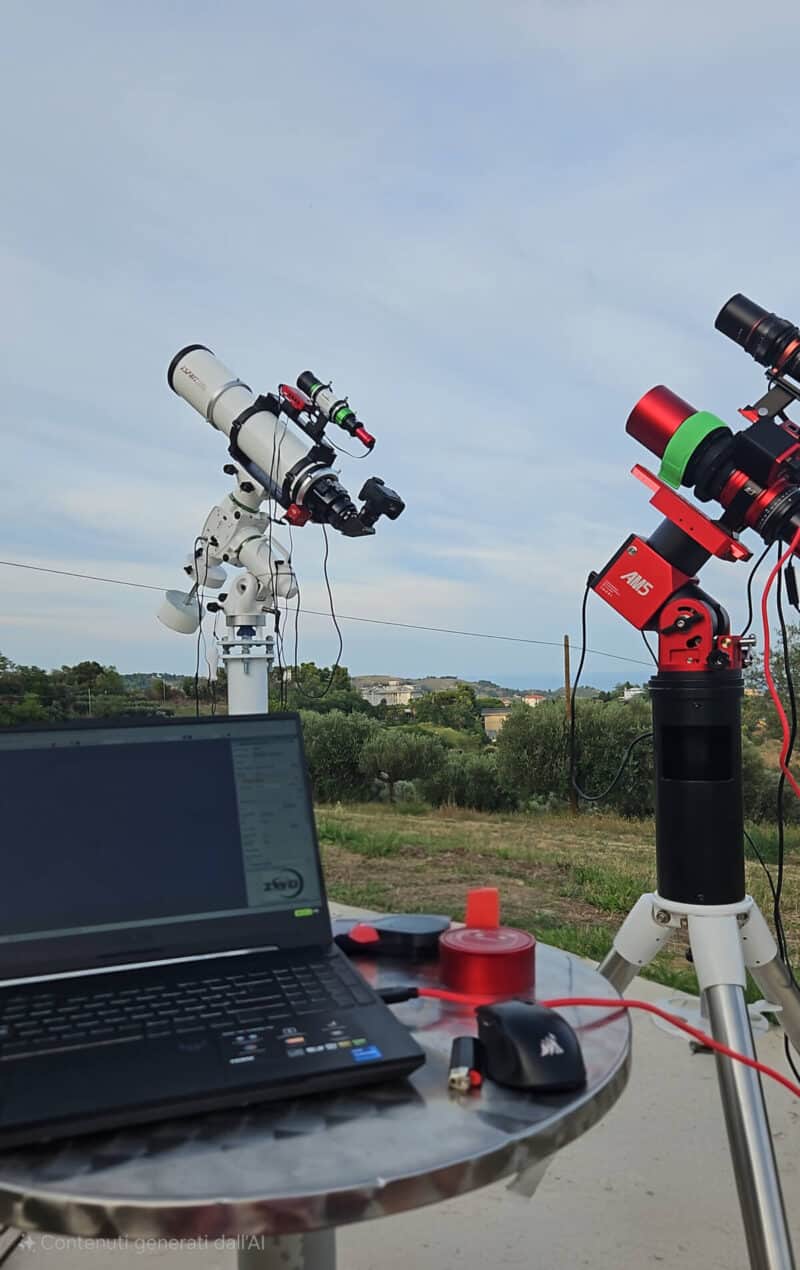
Since then, I’ve added instruments better suited to my style. The latest addition is the William Optics UltraCat 76, which I’m currently testing with a ZWO ASI6200MM.
As I grew as an astrophotographer, I also embraced remote imaging and became an active member of the ShaRA Team, which gives me access to some of the best skies and instruments on the planet.
But beyond the technical aspect, ShaRA is an amazing community, where collaboration and shared passion help everyone grow as both photographers and people.
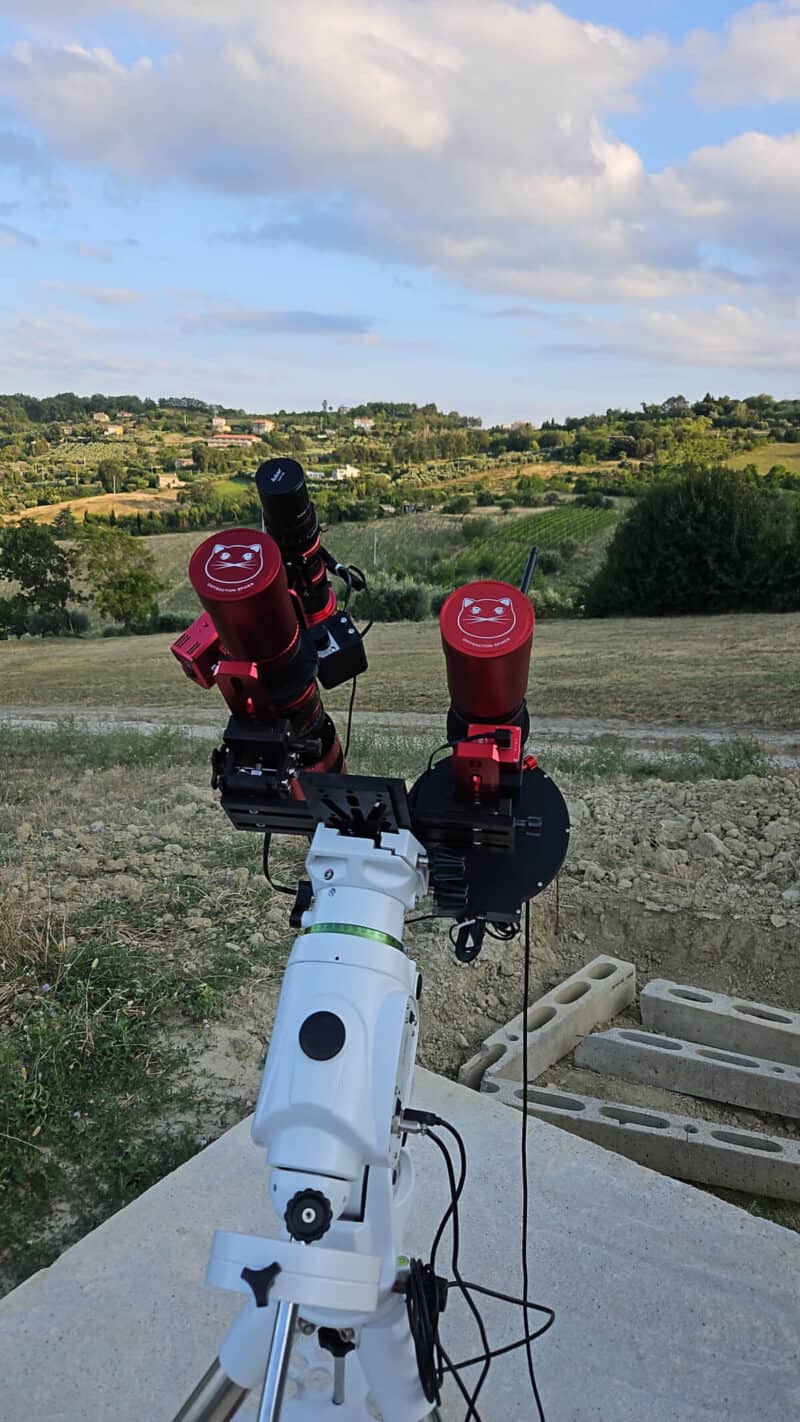
What gear do you use at home?
This is a delicate topic, hopefully my partner doesn’t read this! ?
Over the years, I’ve built quite a collection:
Telescopes:
Mounts:
Cameras:
Plus various guiding systems, electronic focusers, field rotators, filters, and other accessories I’ve probably forgotten to list.
Fortunately, part of this gear came from competition prizes, while the rest I’ve purchased by carefully focusing my resources on this passion, always making sure not to let my family miss out on anything.
I also enjoy testing and trading equipment, which lets me experiment with new tools… though there’s always something new just around the corner!
“Used wisely, AI can be a powerful ally. Used carelessly, it can easily destroy the natural beauty of an astronomical subject.”
What do you use for post-processing?
My workflow is constantly evolving. I’ve studied a lot, and I keep studying.
I primarily process with PixInsight, but recently I’ve started integrating Photoshop for refinement.
I have a deep respect for my data and for the subjects I capture, I’m not a fan of overprocessed images.
Experience has taught me that the secret to a great image lies in a high-quality master, and the secret to a great master is integration, integration, and more integration!
When the data are solid, only a few careful, respectful steps are needed.
“Whenever possible, I travel with my family to darker sites that we can reach by car, they’re now quite used (or maybe resigned!) to planning our weekends and holidays according to the light pollution map!”
Any astrophotography learning resources you can recommend?
When I started, I didn’t know anyone in the field, so I relied on online resources.
I’m especially grateful to Luca Fornaciari and Marco Rapino, whose Italian YouTube tutorials guided my first steps.
Later, I broadened my learning to international creators, among many, Adam Block remains one of my biggest inspirations.
Today I closely follow the global astrophotography scene, staying updated on new techniques, PixInsight scripts, and innovative AI-based tools.
The beauty of this hobby is that you never stop learning, what feels like a milestone today will be surpassed tomorrow.
That’s what keeps me motivated: there’s always room to grow and improve.
“When imaging from my home observatory, I collect data for months, trying to push my local sky to its limits.”
Are you incorporating AI into your processes?
Yes, but with respect and moderation.
It’s important to distinguish between AI-assisted tools that enhance post-processing and creative AI that generates images from scratch.
I regularly use NoiseXTerminator, BlurXTerminator, and StarXTerminator, which, when used properly, can greatly improve and speed up processing.
However, they must be applied carefully, I’ve seen many images ruined by overuse or misunderstanding of these tools, resulting in unnatural or scientifically meaningless outcomes that an experienced eye can spot immediately.
Used wisely, AI can be a powerful ally. Used carelessly, it can easily destroy the natural beauty of an astronomical subject.
What are your proudest achievements in astrophotography?
Over the past few years, I have received several international awards and recognitions, including:
- NASA APOD
- Winner of the nPAE World Champion 2024 and Northern Hemisphere Winner
- Winner of L’Universo in una Foto 2024
- Winner of European AstroFest 2024
- Winner of the Saint-Barthélemy Astrophotography Contest 2025
- AAP Magazine #51 “Colors” (USA)
- Honourable Mention at the William Optics Astrophotography Contest 2024
- Honourable Mention at the 2025 International Astrophotography Competition by Hevelianum
- Finalist in the Astronomy Photographer of the Year 2024 competition organised by Royal Museums Greenwich
- Publications in Coelum, Astronomy Now, and BBC Sky at Night